CULTURAL MANIFESTO
For Hera Hotel, culture is not merely a reflection of the past, but a responsibility of the present and a legacy for the future.
Anatolia is a land that has hosted some of humanity’s earliest and most profound narratives. Although the cultural heritage born on these lands may now reside beyond its borders, its meaning remains deeply rooted in its place of origin. Hera Hotel embraces the responsibility of honoring this connection.
We believe that the preservation of cultural heritage is not solely the duty of institutions, but a shared responsibility of all who understand it, respect it, and carry its story forward.
For this reason, Hera Hotel seeks to offer its guests more than accommodation — it offers cultural awareness.
The Cultural Heritage Collection has been created to shed light on the journeys of selected artifacts taken from Anatolia to destinations abroad throughout history. This collection does not seek to judge or claim ownership, but to remember, to reflect, and to inspire thoughtful dialogue.
For Hera Hotel, culture is
not decoration, but conviction.
Not display, but consciousness.
We believe that respect for the past is the most meaningful investment in the future.
CULTURAL HERITAGE COLLECTION
Selected Cultural Heritage Objects from Anatolia and Their Journeys
Hera Hotel embraces respect for Anatolia’s rich cultural heritage as a core value.
This collection introduces selected artifacts taken abroad from Anatolia and aims to raise cultural awareness among visitors.
Cultural Heritage Collection
Hera Hotel offers its guests not only comfort, but also a cultural perspective.
The Cultural Heritage Collection is a curated digital archive introducing selected Anatolian artifacts held in Germany, the United Kingdom, and the United States.
🇩🇪 GERMANY
Hera Hotel embraces respect for Anatolia’s rich cultural heritage as a core value. This collection has been prepared to introduce selected cultural artifacts taken from Anatolia to Germany during different historical periods and to raise cultural awareness among visitors.
Pergamon Altar
Pergamon → Berlin
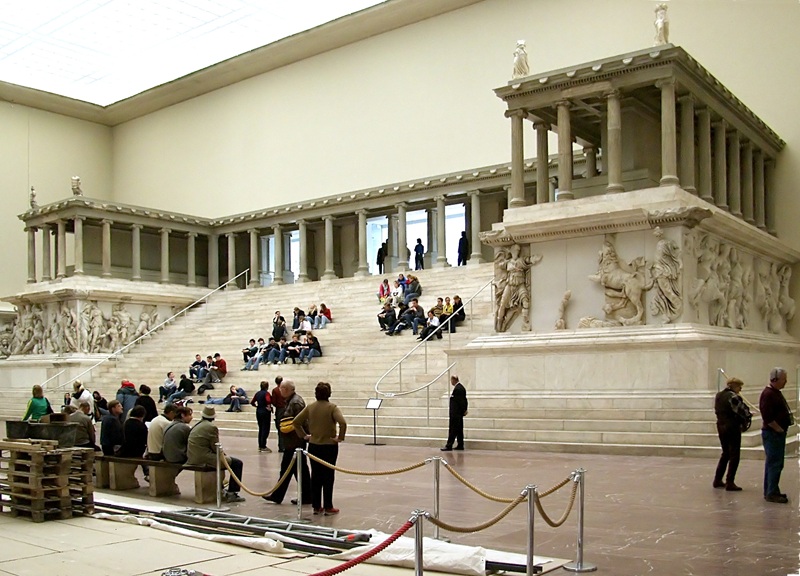
The Pergamon Altar, dating to the Hellenistic period, was uncovered during excavations in the ancient city of Pergamon in the late 19th century. The monument was transported to Germany under official Ottoman permits and is currently exhibited in Berlin. While its legal status is complex, ethical debates continue.
Ishtar Gate
Babylon → Berlin
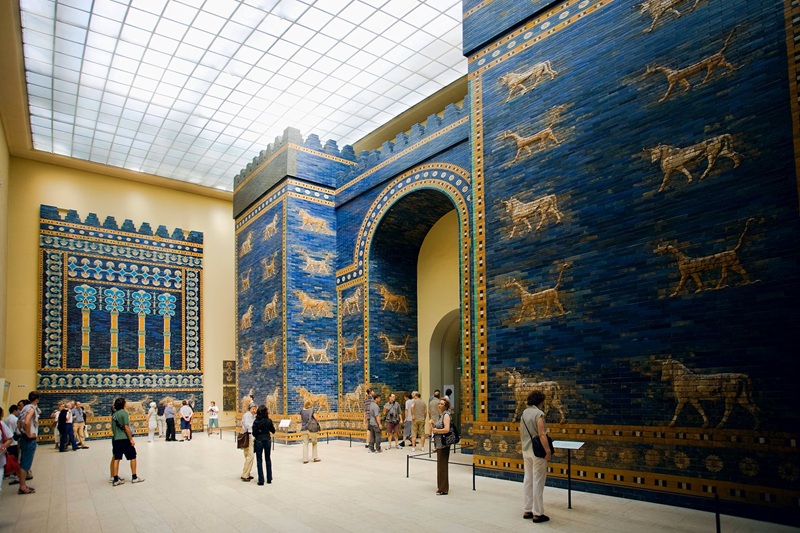
The Ishtar Gate, dating to the Neo-Babylonian period, was one of the most monumental entrances of ancient Babylon. In the early 20th century, it was dismantled during German excavations and transported from Babylon to Germany, where it is currently exhibited in Berlin. While its legal status remains complex, the Ishtar Gate is widely regarded as one of the most debated artifacts in terms of ethics and cultural heritage.
Miletus Market Gate
Miletus → Berlin
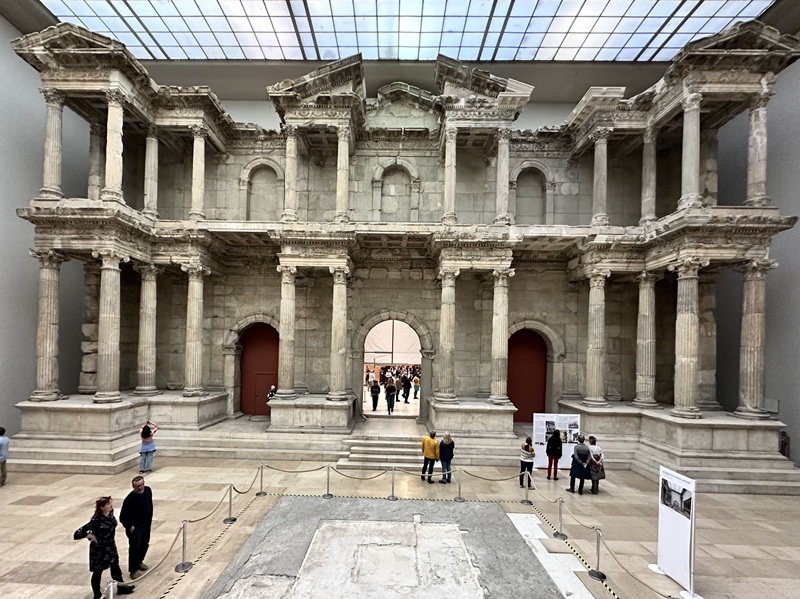
This monumental Roman structure was dismantled and transported from the ancient city of Miletus to Germany in the early 20th century. Reconstructed in Berlin, it is considered one of the largest architectural remains removed from Anatolia.
Sam’al Reliefs
Zincirli → Germany
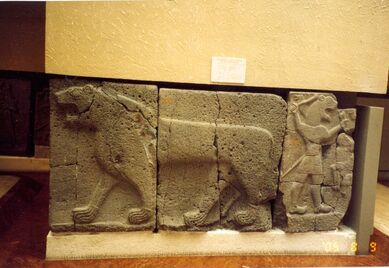
Dating to the Late Hittite period, the Sam’al Reliefs were removed from Anatolia during excavations conducted in the Ottoman era. Due to uncertainties in excavation records, these artifacts remain central to discussions on partial restitution and shared exhibitions.
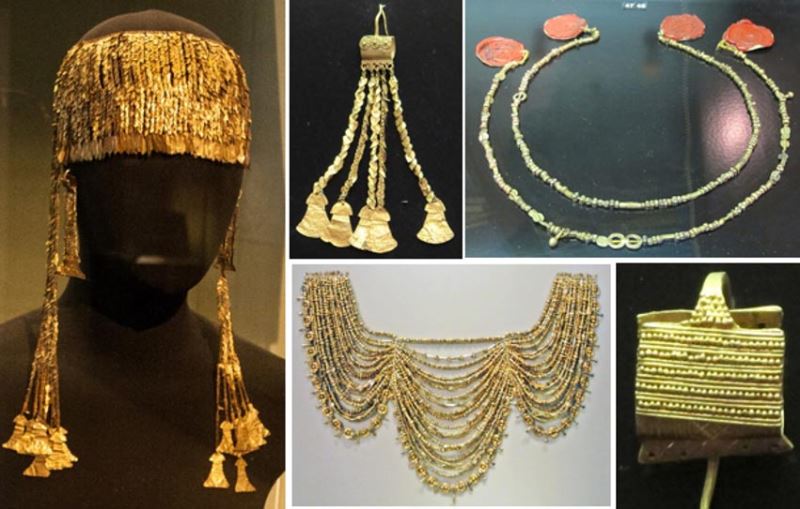
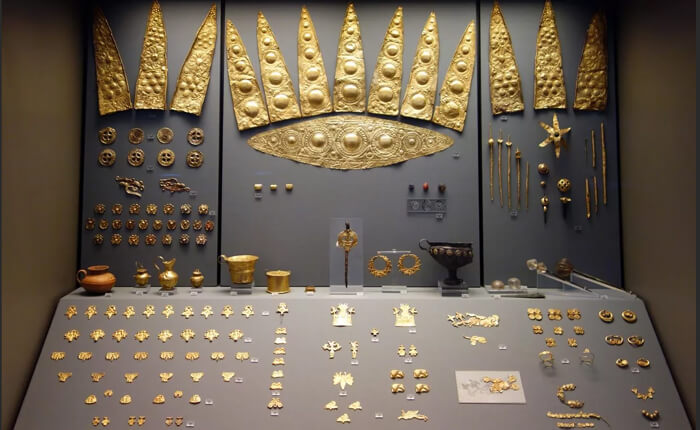
Troy Gold (Priam’s Treasure)
Troy → Berlin
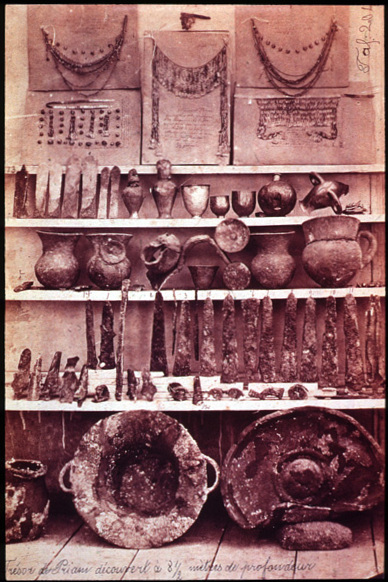
Unearthed at the ancient city of Troy, these artifacts were removed by Heinrich Schliemann without official Ottoman permission. The treasure was smuggled abroad and later transferred to Berlin. The Troy Gold represents one of the strongest legal restitution cases.
Boğazköy Sphinx
Hattusa → Berlin → Turkey
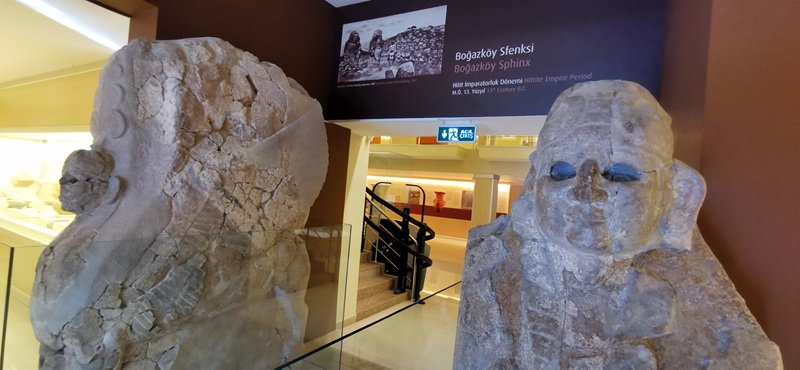
The Boğazköy Sphinx, dating to the Hittite period, was taken from Hattusa to Berlin during German excavations. Following extensive diplomatic efforts, it was returned to Turkey in 2011, setting an important precedent for cultural heritage restitution.
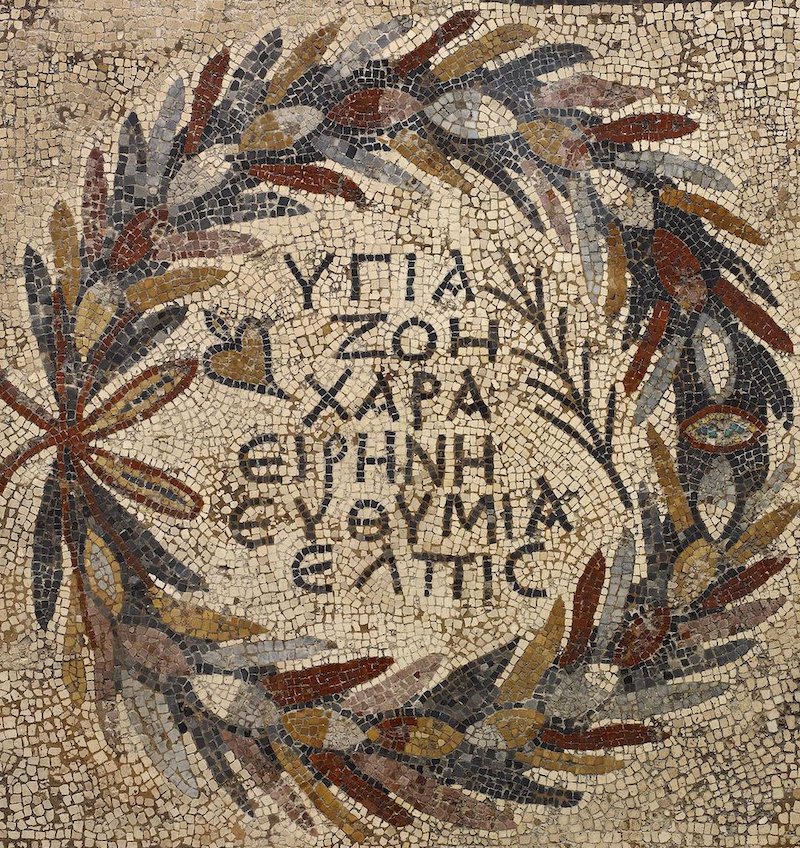
🇬🇧 UNITED KINGDOM
Hera Hotel regards the preservation and respectful representation of Anatolia’s cultural heritage as a fundamental responsibility. This collection has been prepared to introduce selected cultural artifacts taken from Anatolia to the United Kingdom during different historical periods.
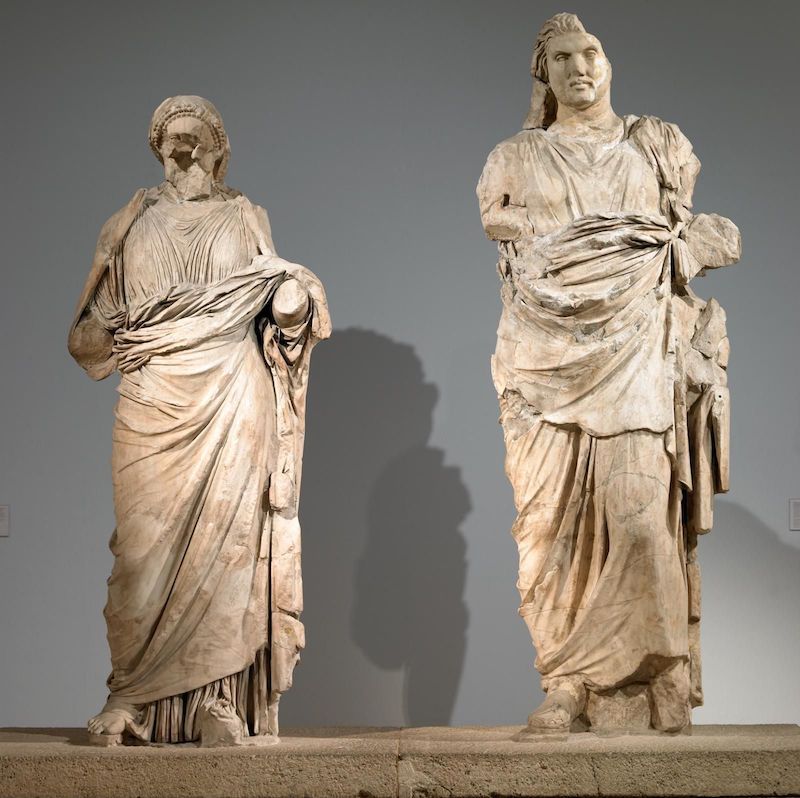
Halicarnassus Mausoleum Fragments
Bodrum → London
Architectural fragments and sculptures from the Mausoleum at Halicarnassus, one of the Seven Wonders of the Ancient World, were removed from Bodrum and transported to the United Kingdom in the 19th century. Today, these artifacts are exhibited in London and represent some of the most significant Anatolian architectural remains abroad.
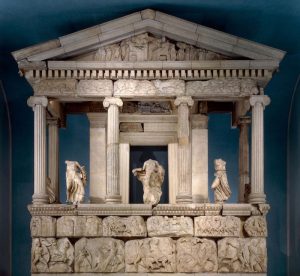
Nereid Monument
Xanthos (Lycia) → London
The Nereid Monument, belonging to the Lycian civilization, was dismantled and transported from the ancient city of Xanthos to the United Kingdom in the 1840s. Its architectural elements and sculptures are currently displayed in London, standing as a key example of displaced cultural heritage.
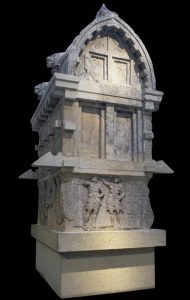
Lycian Rock Tomb Reliefs
Lycia → United Kingdom
Reliefs and architectural elements from Lycian rock-cut tombs were removed from the Lycia region during the 19th century through various excavations and transfers. These artifacts reflect the distinctive funerary architecture of Anatolia.
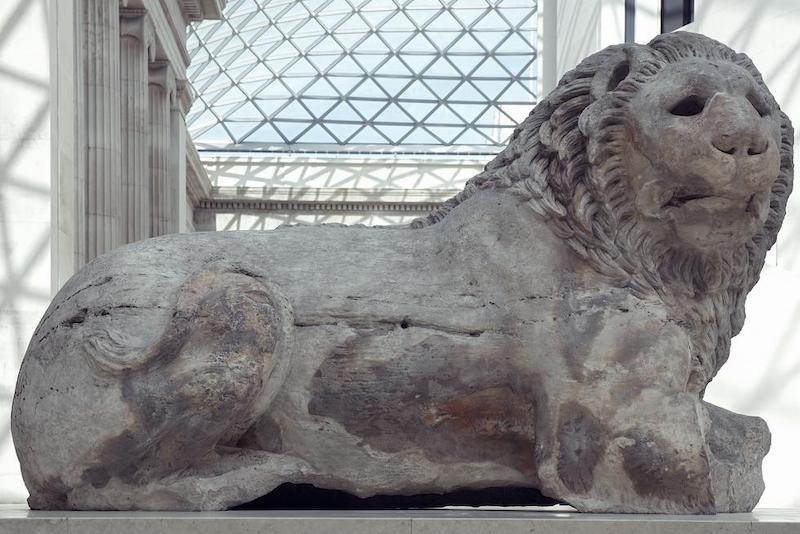
Lion of Knidos
Knidos (Datça) → London
The Lion of Knidos, discovered in the ancient city of Knidos, was transported to the United Kingdom in the 19th century. The sculpture is associated with ancient funerary architecture and is currently exhibited in London.
USA
Hera Hotel acts with the awareness that Anatolia’s cultural heritage represents a universal value. This collection has been prepared to introduce selected cultural artifacts taken from Anatolia to the United States during different historical periods and to raise cultural awareness.
Weary Herakles
Perge (Antalya) → Boston
The Weary Herakles statue, dating to the Roman period, was removed from the ancient city of Perge and smuggled to the United States in the 20th century. While the lower part of the statue remained in Turkey, the upper section was returned to Turkey in 2011 following extensive legal and diplomatic efforts. This case became a landmark example of cultural heritage restitution.
Lydian and Anatolian Sculptures
Western Anatolia → New York
Various sculptures and architectural fragments originating from Western Anatolia were transported to the United States during the 19th and 20th centuries. These works reflect the artistic traditions of ancient Anatolia.
Anatolian Funerary Stelae
Anatolia → United States
Funerary stelae dating to the Roman and Hellenistic periods were removed from different regions of Anatolia and transferred abroad. Today, examples held in U.S. collections provide valuable insight into ancient social life and belief systems.
Anatolian Coins and Small Finds
Anatolia → United States
Numerous ancient coins and small archaeological objects originating from Anatolia entered collections in the United States through various means. These artifacts are significant for understanding Anatolia’s economic history and trade networks.
FRANCE EDITION
Anatolian Artifacts in France
🏛️ Sidamara Sarcophagus
Sidamara (Konya) → Paris
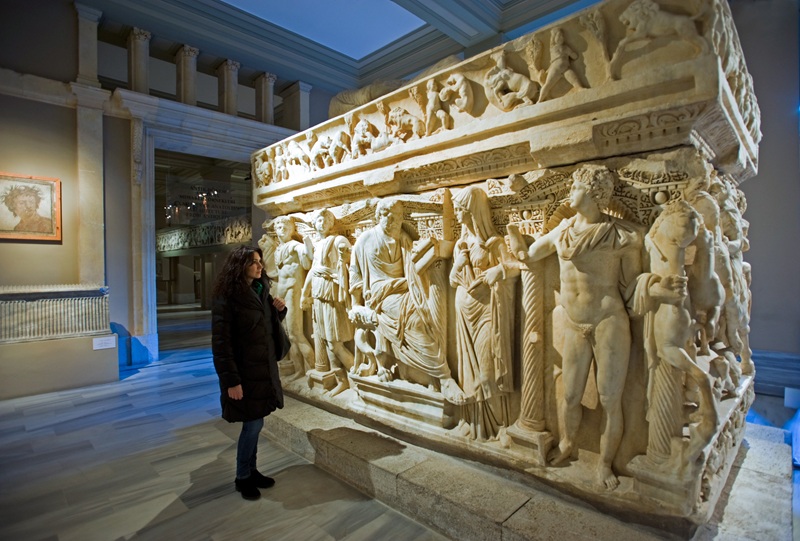
The Sidamara Sarcophagus is one of the most monumental Roman sarcophagi originating from Anatolia. It was transferred to France during 19th-century excavations and is currently displayed in Paris.
Restitution status:
Due to French national collection laws, restitution remains limited and is discussed mainly within ethical frameworks.
🗿 Xanthos Monuments
Xanthos (Antalya) → Paris
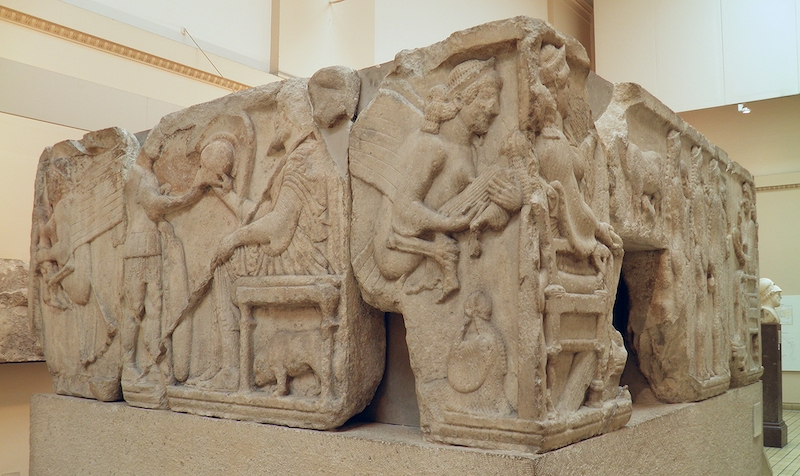
Monuments from the Lycian city of Xanthos were transferred to France in the 19th century. Xanthos is now a UNESCO World Heritage Site.
Restitution status:
No formal restitution has taken place; discussions continue on ethical grounds.
🏺 Lycian Funerary Stelae
Lycia → Paris
Lycian funerary stelae represent a distinctive funerary tradition of Anatolia and entered European collections during the 19th century.
Restitution status:
Currently addressed through cultural dialogue rather than legal action.
🏺 Anatolian Ceramics
Western & Central Anatolia → France
Ceramics from Anatolia reached France through archaeological excavations and private collections.
Restitution status:
Generally considered part of historical collections, with limited restitution claims.
🗿 Anatolian Sculpture Fragments
Anatolia → Paris
Roman-period sculpture fragments from Anatolia are preserved in French collections.
Restitution status:
Claims depend on documented provenance and legality of removal.
📌 Not: Müze vitrin fotoğrafları + “museum archive / public collection” ibaresi yeterlidir.