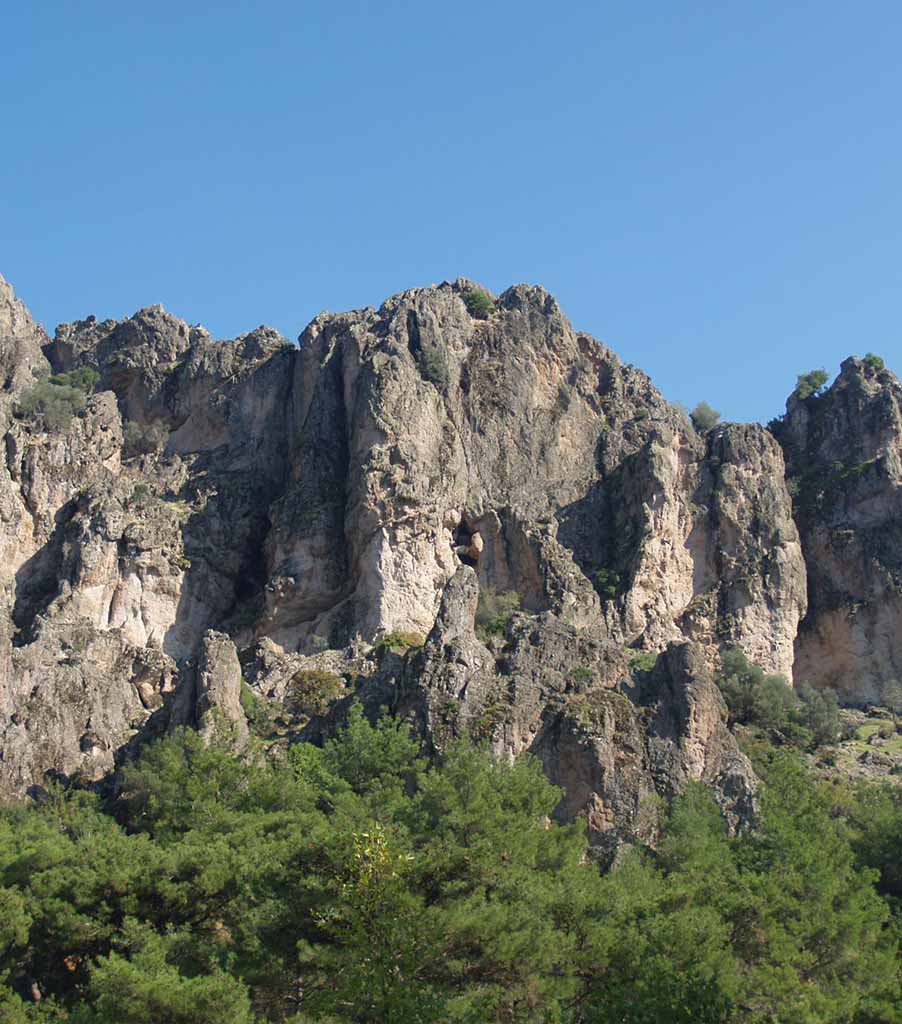
BERGAMA
Travel Guide
Bergama, with its multifaceted history stretching from ancient times to the Ottoman period, is one of the most unique cities in Anatolia. Below are selected must-see locations in Bergama for guests staying at Hera Hotel.
PERGAMON ACROPOLIS
The Acropolis of Pergamon was the heart of the Hellenistic city and the capital of the Attalid dynasty. Built dramatically on the slopes of Kale Hill, it brought together temples, theatre, library, stoas and a gymnasium, making Pergamon one of the ancient world’s important centres of culture and learning. UNESCO recognises its adaptation to the steep landscape as an outstanding example of Hellenistic and Roman urban design.
WHY VISIT?
See the monumental capital of the Attalids and one of the most dramatic archaeological landscapes in the Aegean.
Recommended time: 2–3 hours
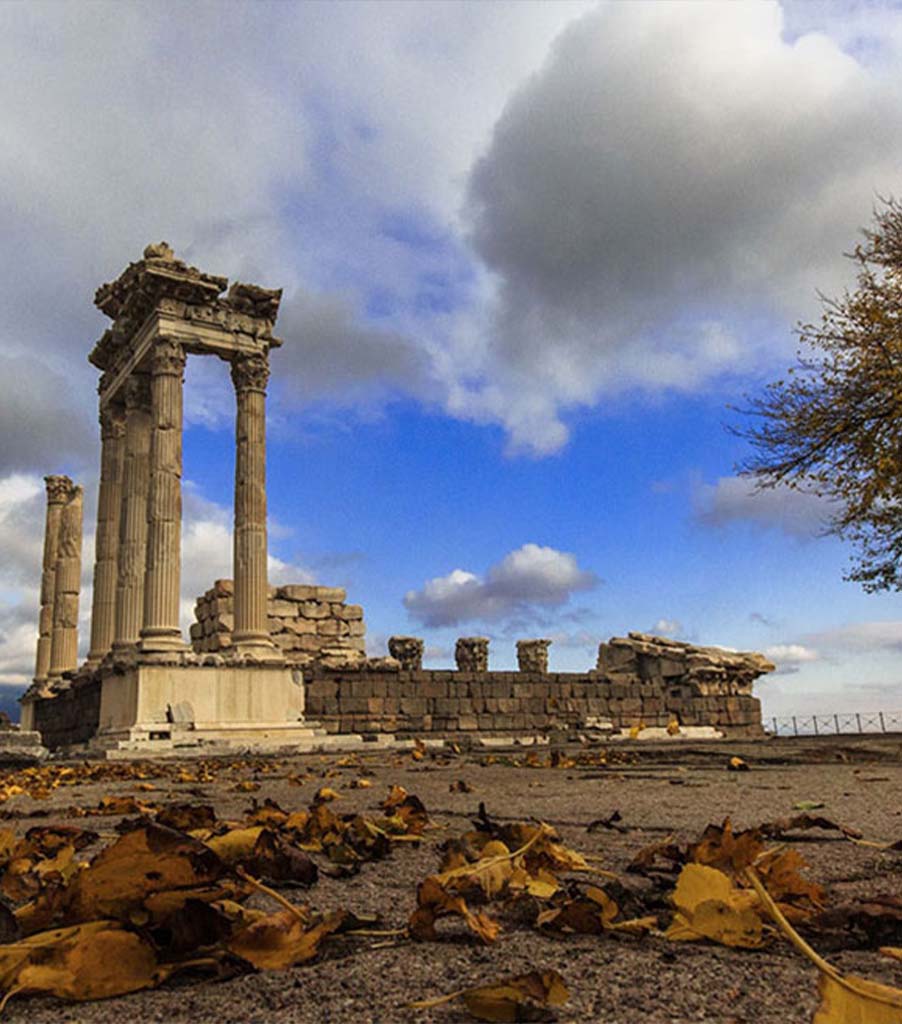
ASCLEPION
The Asclepion was one of Pergamon’s most celebrated healing centres during the Roman period. The sanctuary combined treatment, ritual and everyday life in a large architectural complex. Visitors can explore the Sacred Way, theatre, treatment areas and spaces associated with the sacred spring. Pergamon’s medical tradition is also linked to the renowned physician Galen.
WHY VISIT?
Experience Pergamon’s world of healing, ritual and ancient medicine.
Recommended time: 1–1.5 hours
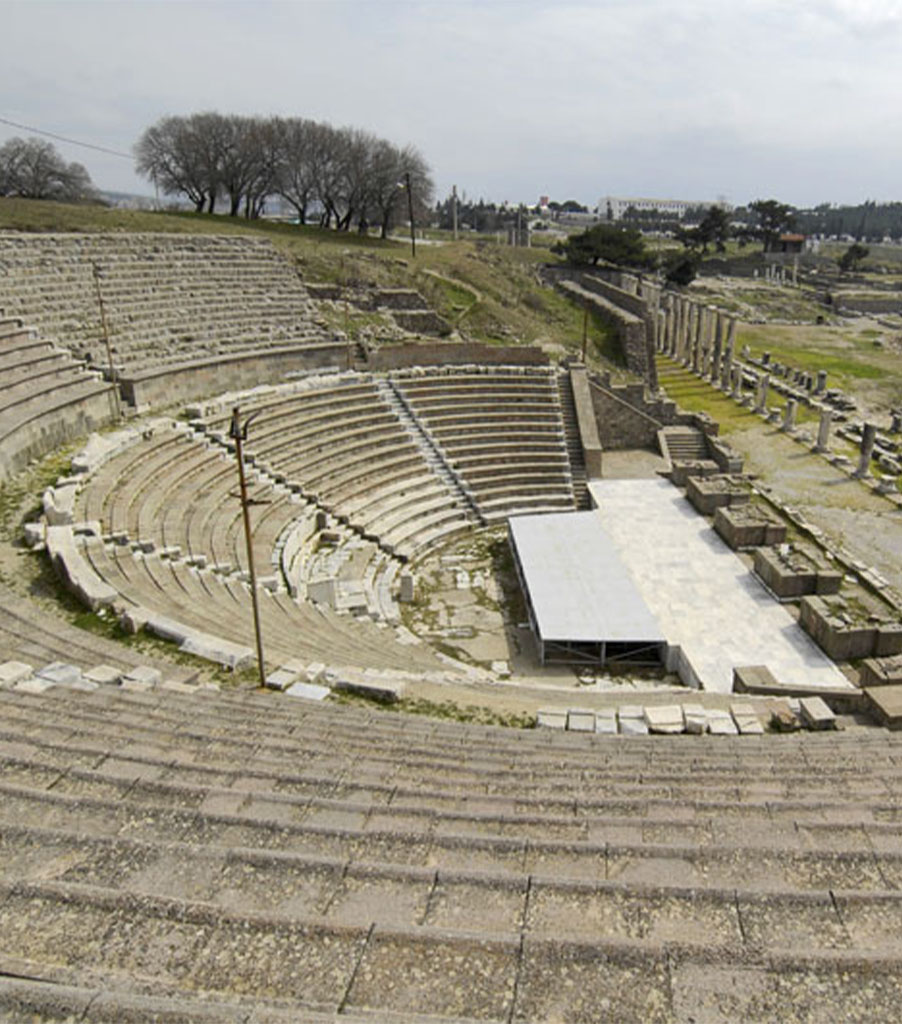
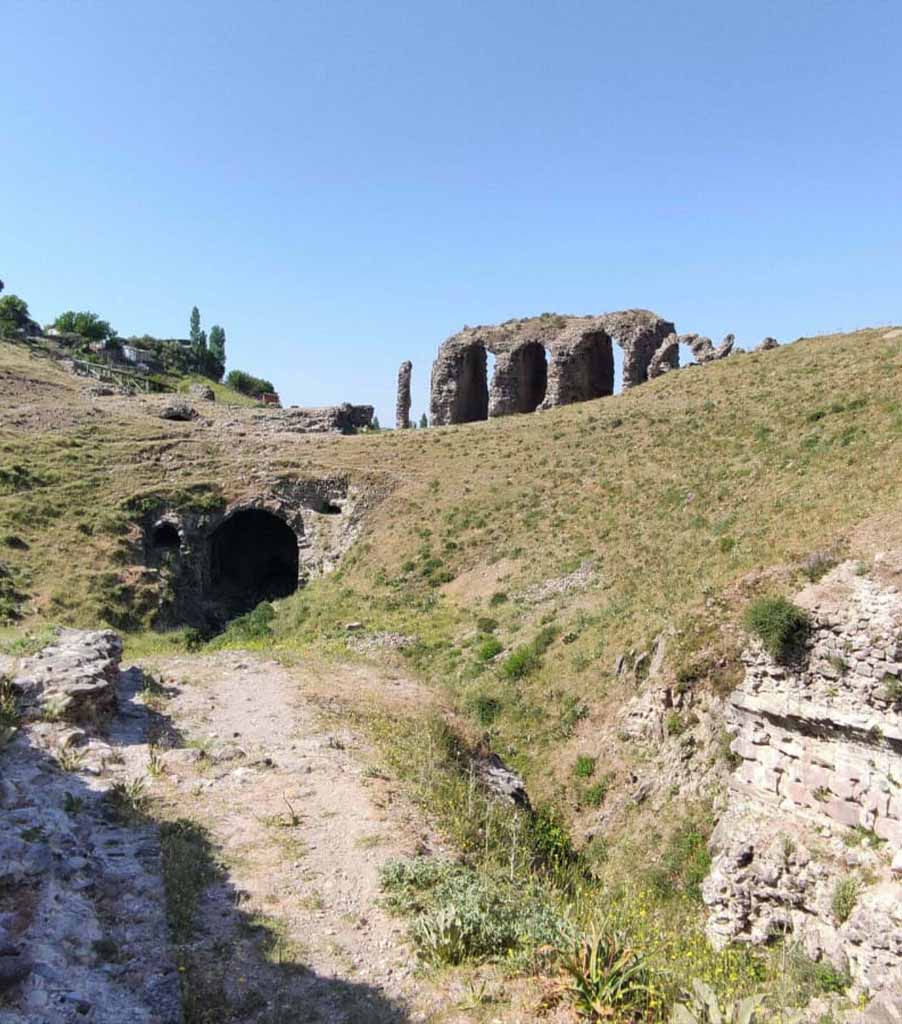
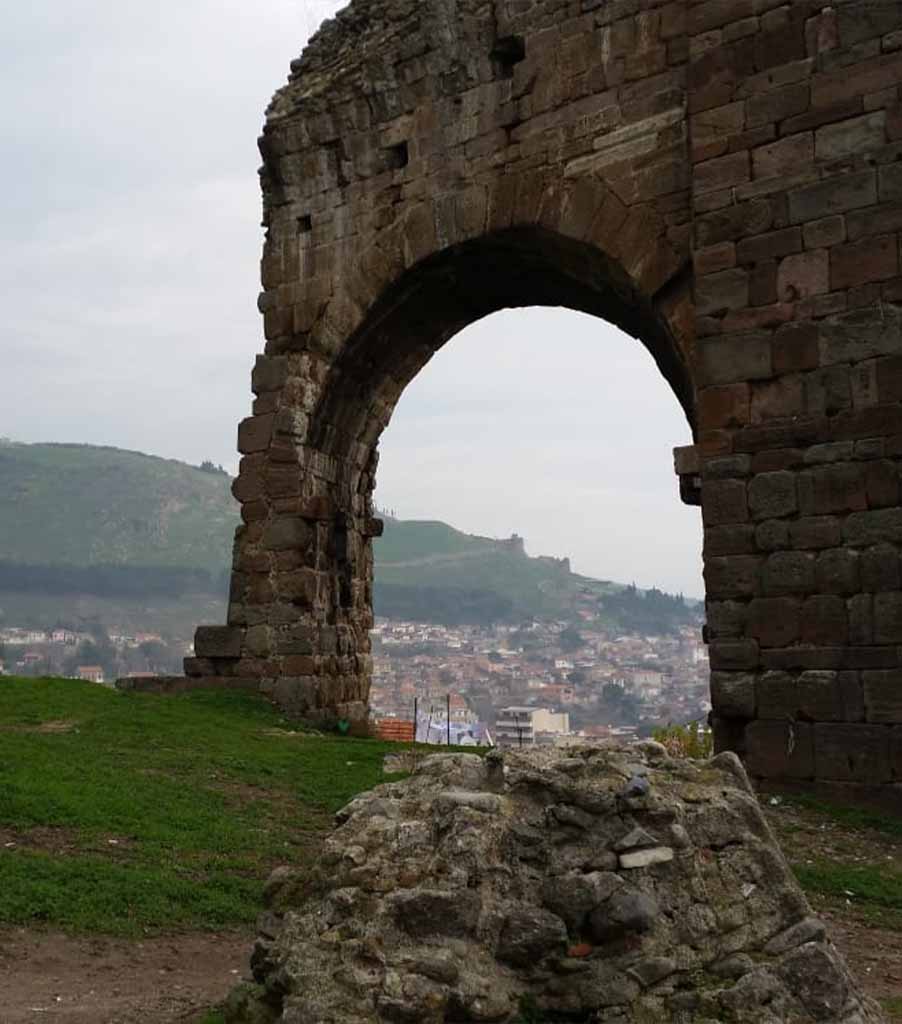
ROMAN LOWER CITY THEATRE – HIDDEN PERGAMON
Located near the beginning of the ancient Sacred Way leading to the Asclepion, close to Viran Kapı, this monumental Roman-period theatre is estimated to have accommodated around 30,000 spectators. Much of the archaeological site has yet to be excavated. This makes the Roman Lower City Theatre one of Bergama’s most intriguing archaeological sites still hidden beneath the ground, with the potential to reveal important new insights into the history of ancient Pergamon through future excavations.
Its connection with the ancient Sacred Way leading to the Asclepion makes the theatre a particularly fascinating stop to discover alongside a visit to the Asclepion.
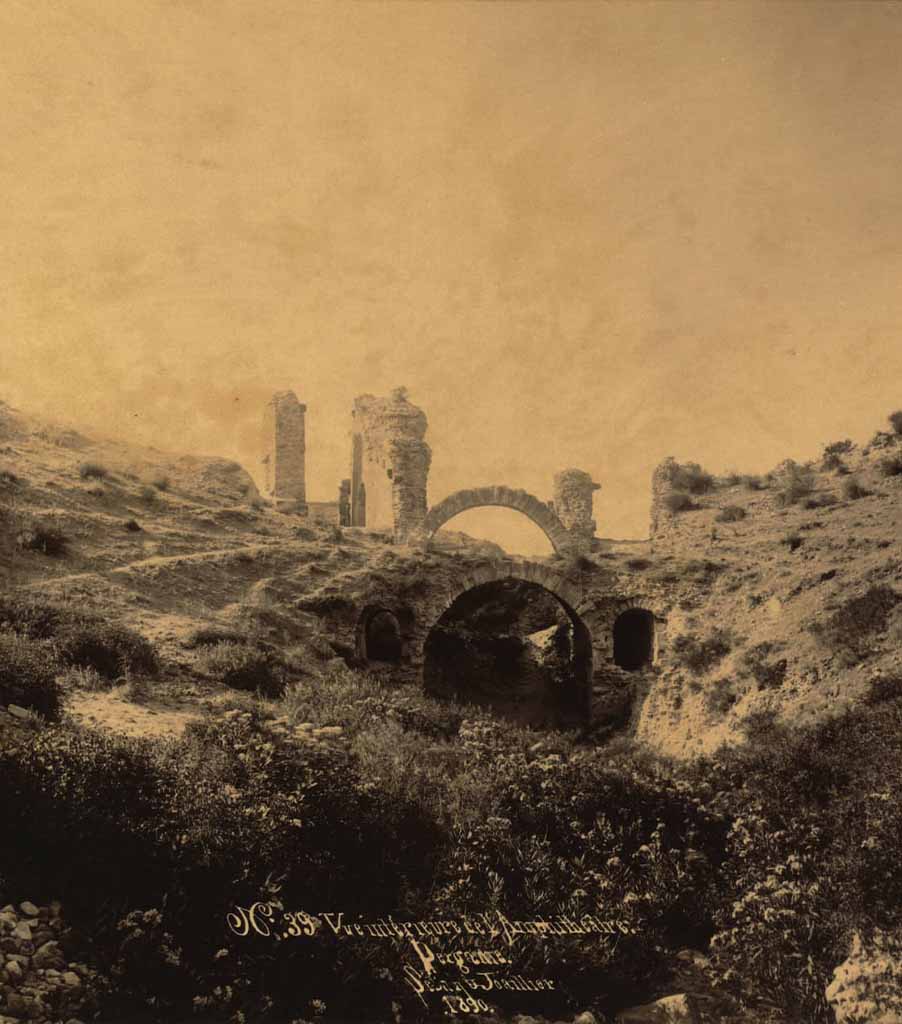
RED BASILICA
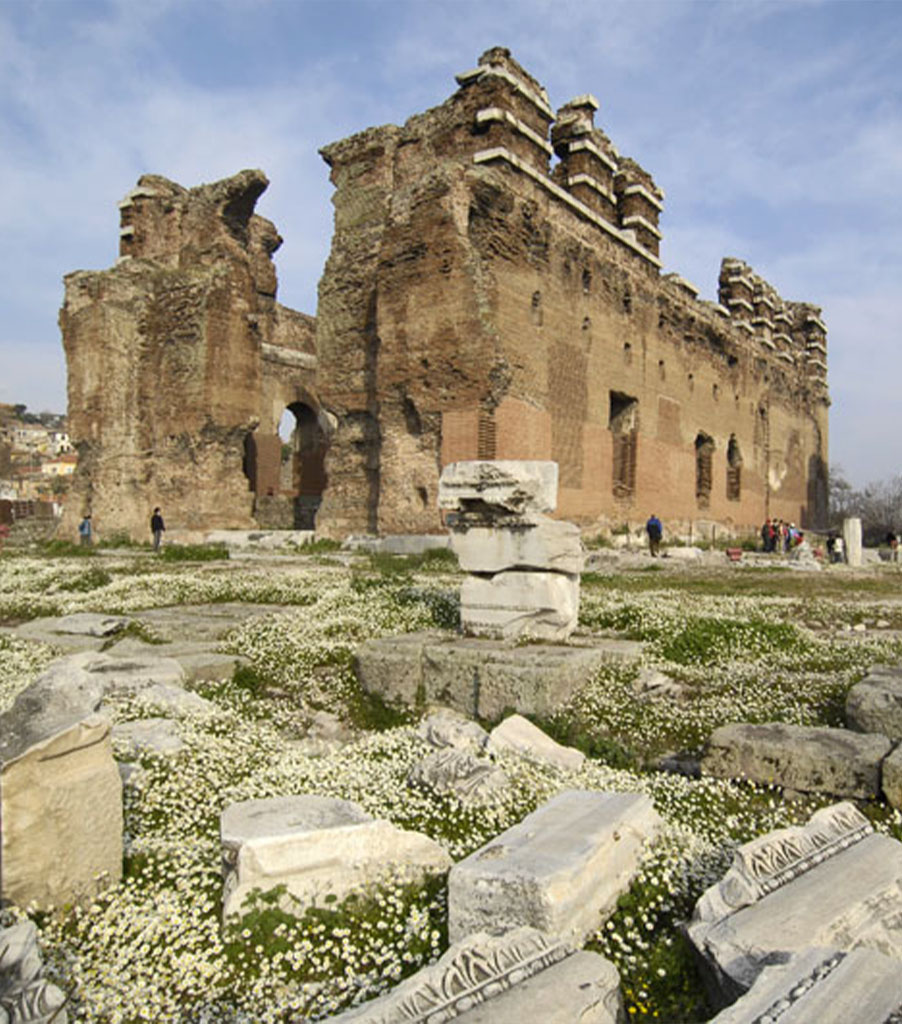
The Red Basilica is one of Pergamon’s most striking Roman monuments. It formed part of a monumental sanctuary dedicated to Egyptian deities. Its later history and changing uses make it a powerful example of Bergama’s multi-layered cultural landscape.
WHY VISIT?
See a monumental Roman sanctuary and a powerful example of Bergama’s changing religious history.
Recommended time: 30–45 minutes
ANCIENT THEATRE
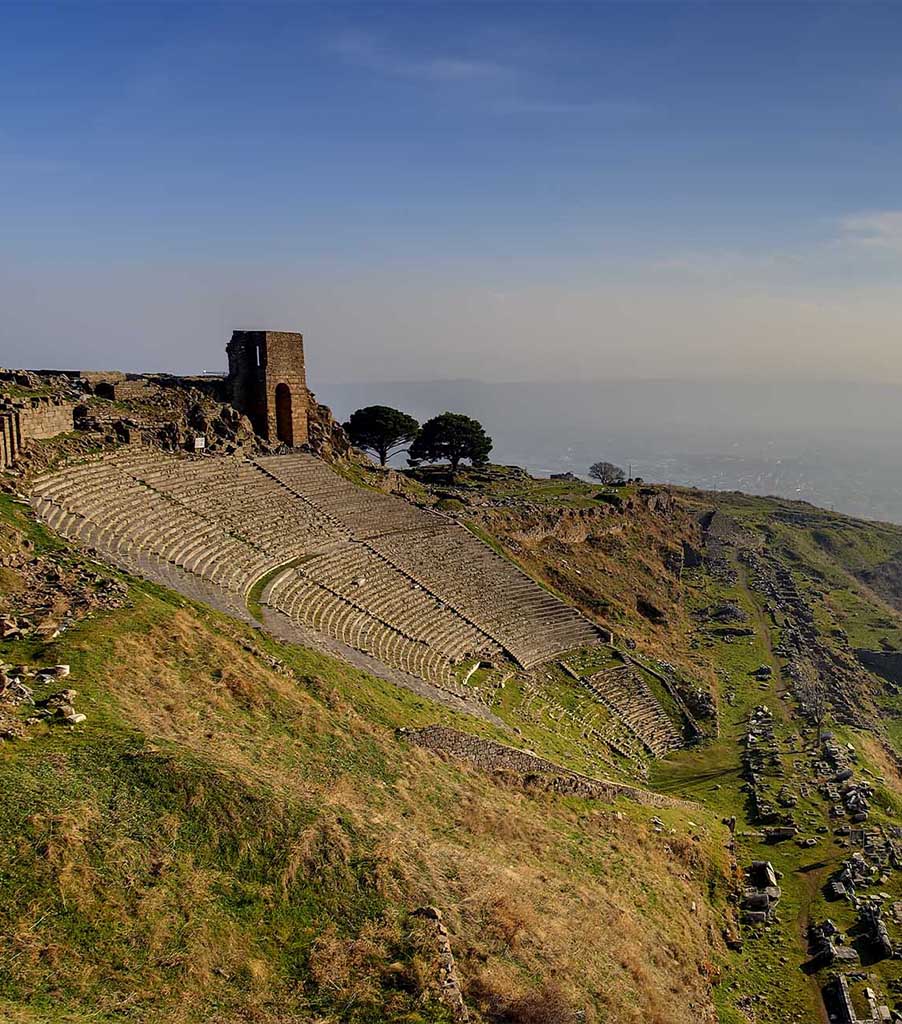
Built into the steep slope of the Acropolis, the Theatre of Pergamon is an architectural experience in itself. Its dramatic seating arrangement creates a powerful visual relationship between the stage, the city and the Bakırçay Plain.
WHY VISIT?
Experience one of the most dramatic theatres of the ancient world and its extraordinary landscape setting.
Recommended time: 20–30 minutes
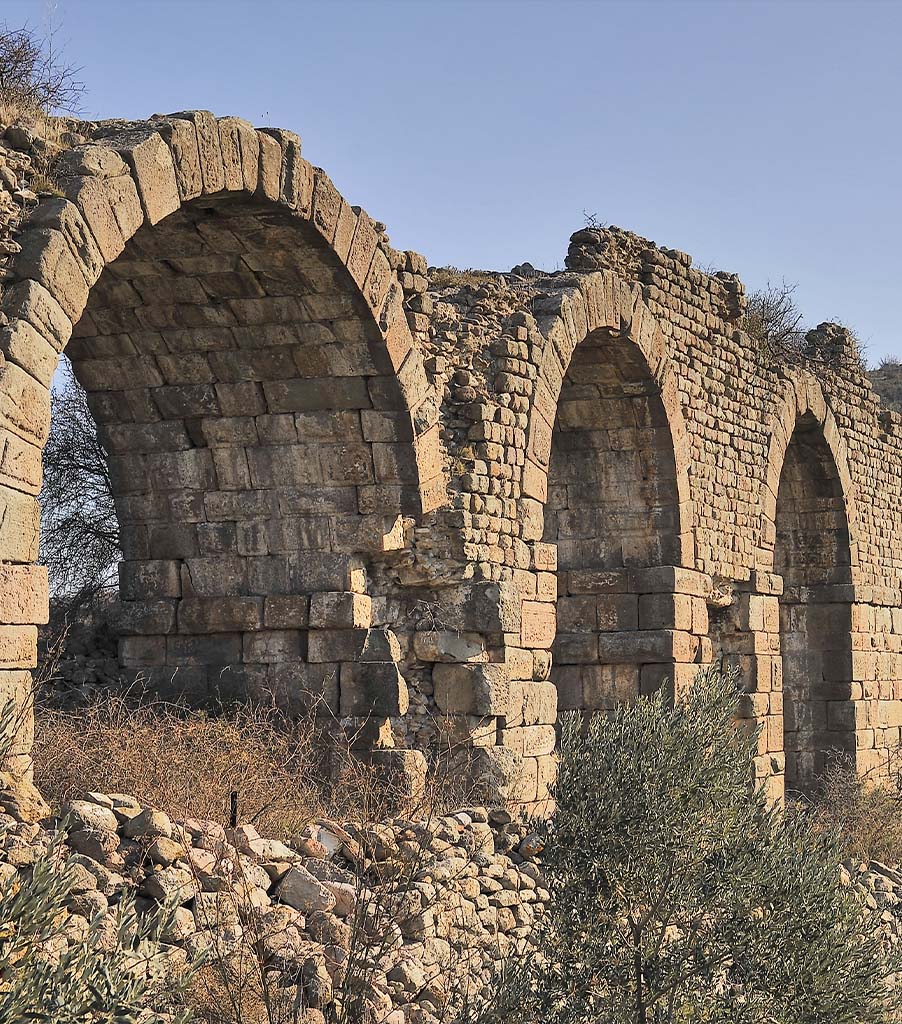
WATER SYSTEM & AQUEDUCTS
Pergamon’s growth depended not only on monumental architecture but also on sophisticated water engineering. UNESCO identifies the water-supply system as one of the significant engineering achievements illustrating Roman Pergamon. The DAI’s current digital map allows visitors to understand the water system together with the archaeological landscape around the city.
WHY VISIT?
Discover the engineering behind the city’s growth and its sophisticated ancient water supply.
Recommended time: 30–60 minutes
BERGAMA MUSEUM
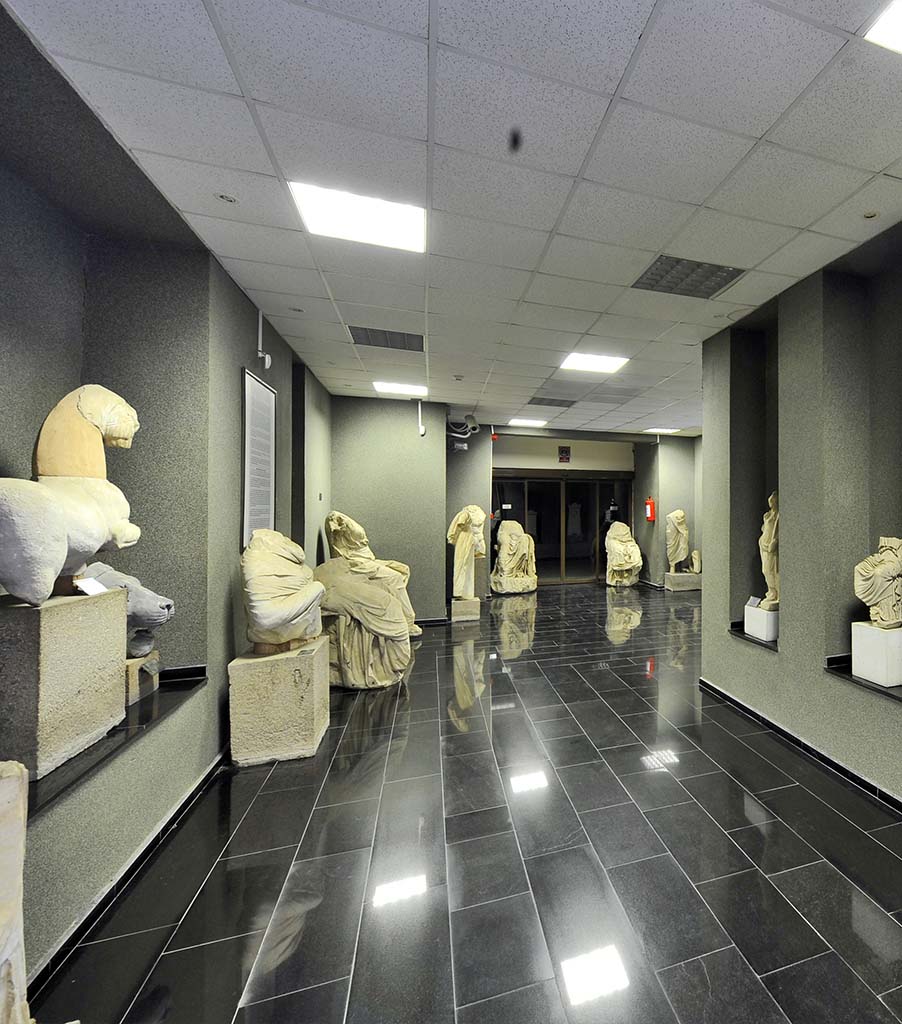
Bergama Museum is a useful introduction to, or complement to, the archaeological sites of Pergamon and its region. It helps visitors connect the monuments they see at the Acropolis and Asclepion with the objects and cultures behind them.
WHY VISIT?
Connect the archaeological sites with the objects and cultures of the region.
Recommended time: 45–60 minutes
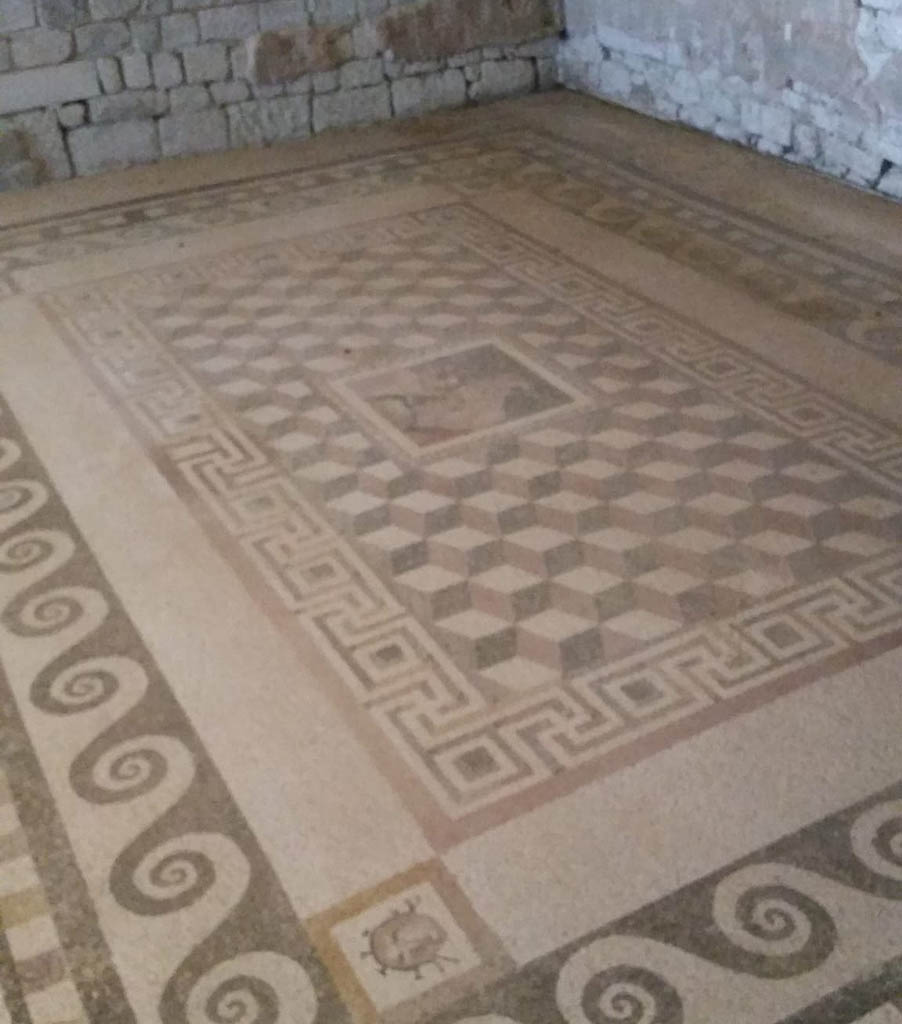
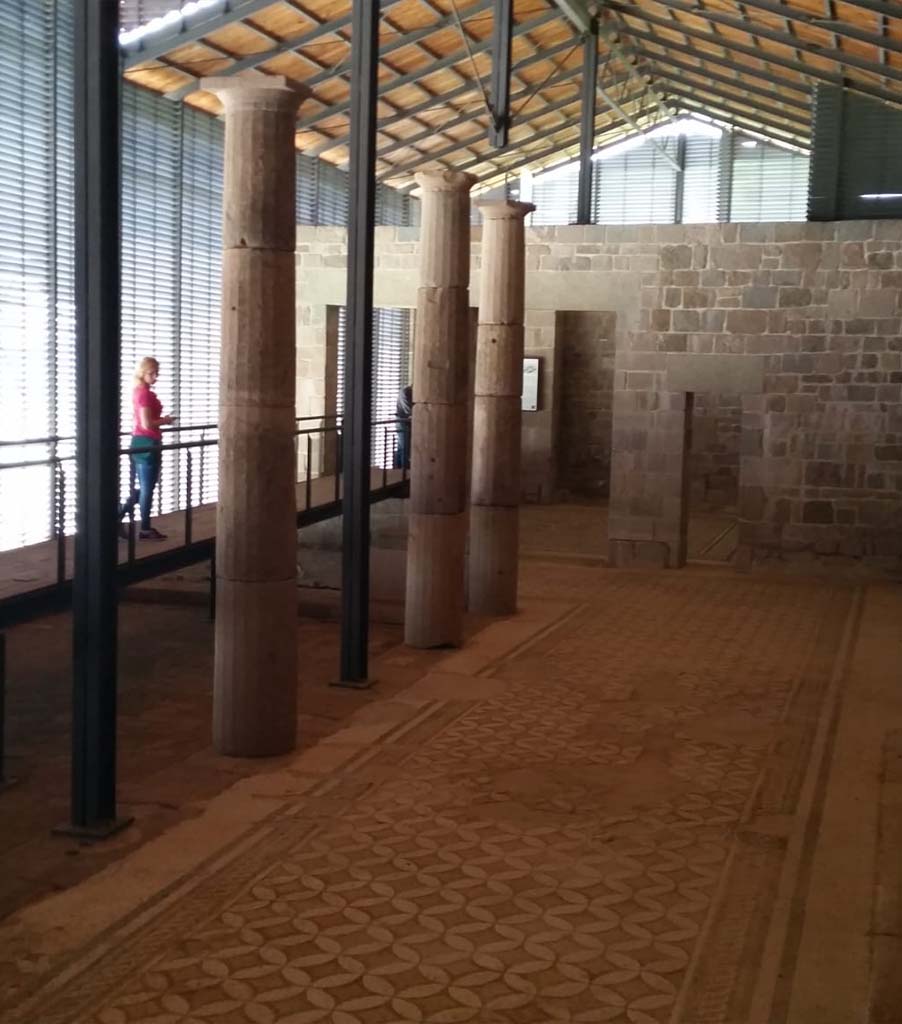
BUILDING Z – MOSAICS OF PERGAMON
Located on the slopes of the Pergamon Acropolis, between the Sanctuary of Demeter and the Temple of Hera, Building Z preserves some of the ancient city’s most remarkable mosaics.
The mosaics feature rich scenes including Dionysus and Silenus, animals and theatrical masks. Their fine craftsmanship and elaborate compositions are among the outstanding examples of Roman-period mosaic art in Pergamon.
The mosaics of Building Z were uncovered during excavations in the 1990s, and a protective structure was built over the remains to preserve them. Today, visitors can see these remarkable works in their original setting and gain a glimpse into the art and life of ancient Pergamon.
OLD BERGAMA
Pergamon’s history does not end on the ancient hill. Old Bergama preserves a living urban landscape where Roman, Byzantine and Ottoman layers meet. UNESCO identifies the Ottoman neighbourhoods, trading areas and historic structures of modern Bergama as part of Pergamon’s multi-layered cultural landscape.
WHY VISIT?
Walk through the living city where ancient, Byzantine and Ottoman layers meet.
Recommended time: 1–2 hours
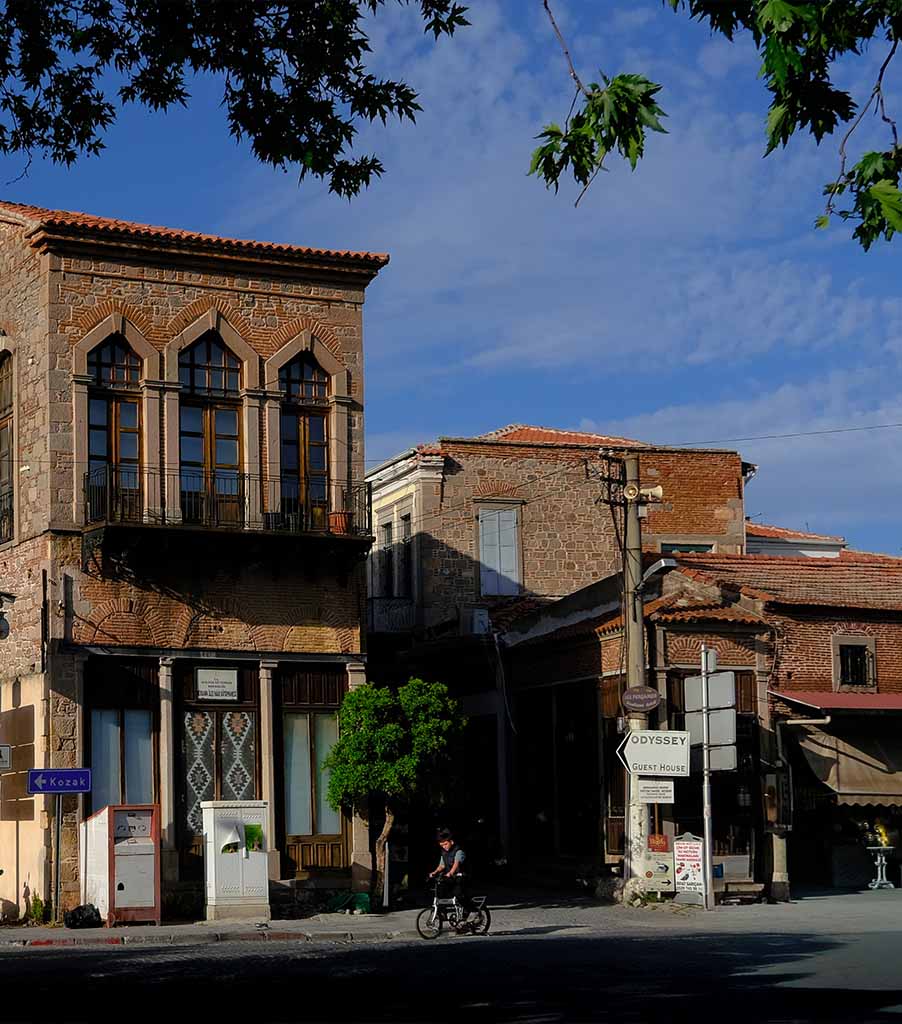
HISTORIC ARASTA
Include the historic bazaar area in your walk to experience Bergama’s commercial heritage. The traditional market structure, hans and shops preserve traces of urban life from the Ottoman period into the modern era. UNESCO specifically recognises arastas as important elements of Pergamon’s Ottoman urban layer.
WHY VISIT?
Experience the commercial heart of historic Bergama and its Ottoman urban layer.
Recommended time: 30–45 minutes
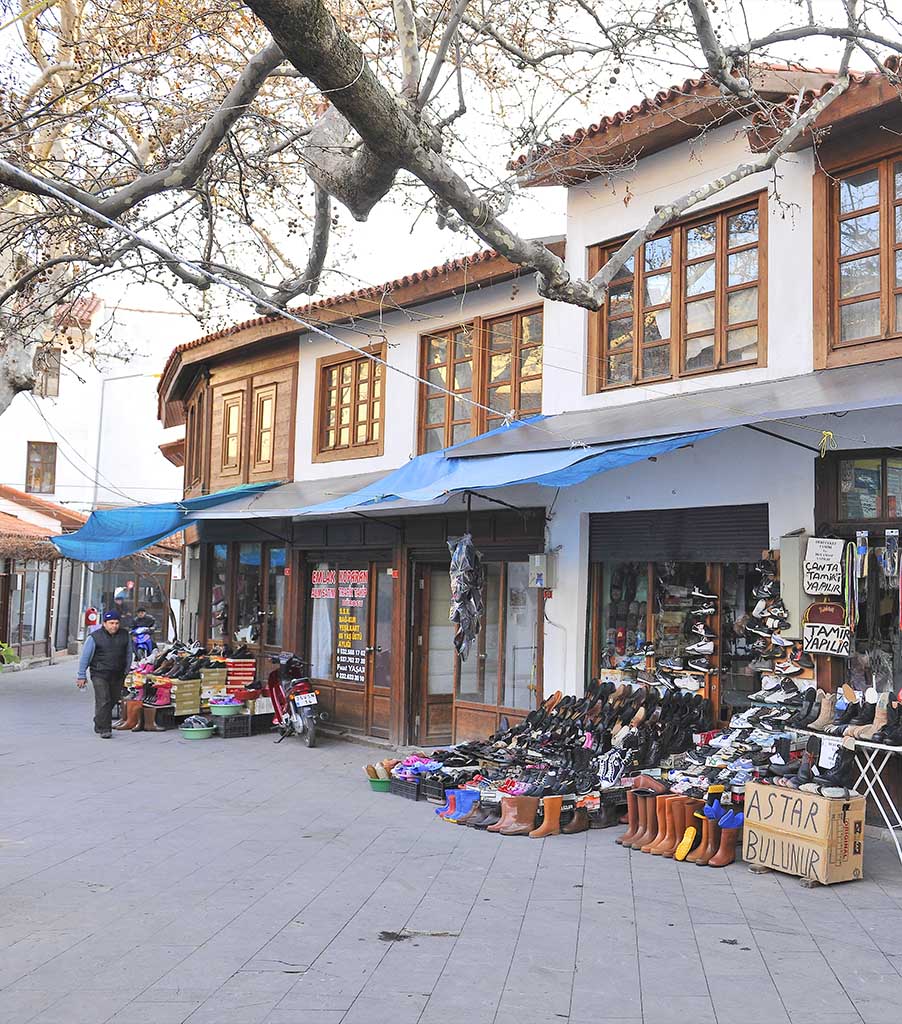
KUPLU HAMAM
Kuplu Hamam is one of Bergama’s important Ottoman-period baths. According to the İzmir Provincial Directorate of Culture and Tourism, the building is documented in a 1427 endowment deed and stands on Rüştiye Mektebi Street. Its name comes from a large marble jar that was once kept in the bath.
WHY VISIT?
See an important Ottoman bath and a tangible link to Bergama’s 15th-century urban history.
Recommended time: 15–20 minutes
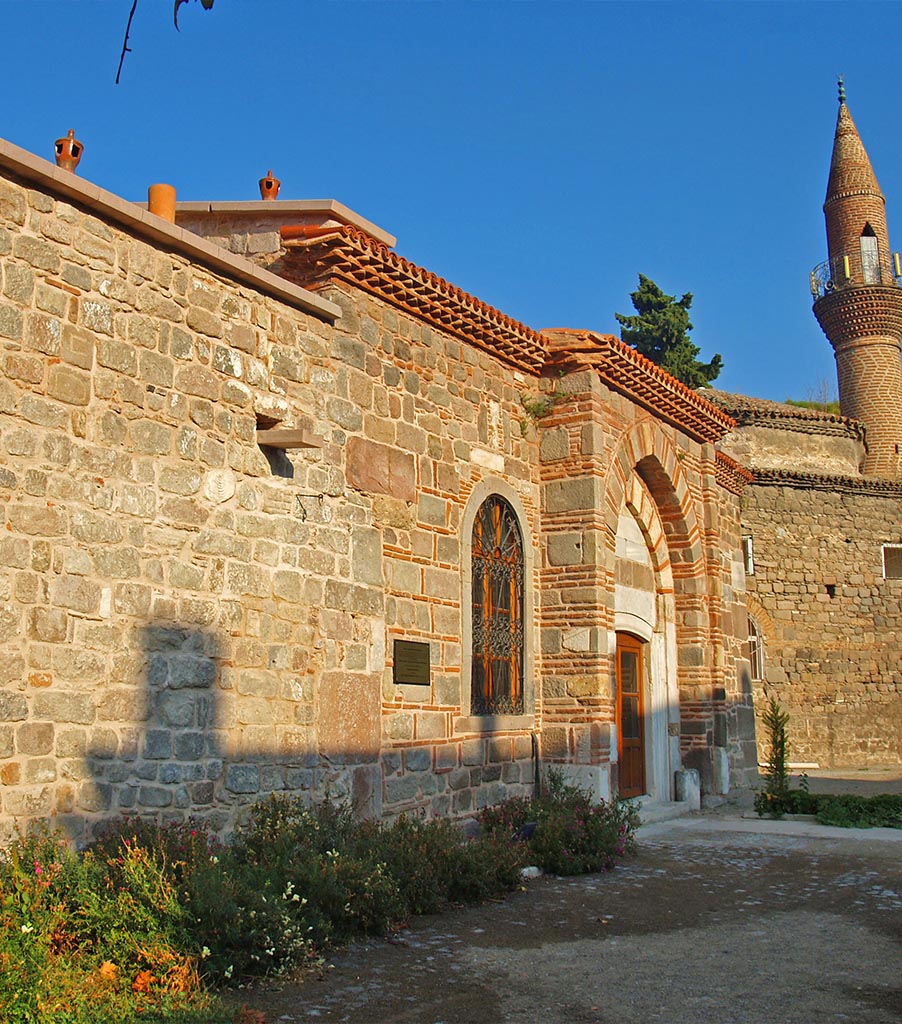
TAS HAN
Taş Han, near Kuplu Hamam, is an important stop for understanding Bergama’s Ottoman commercial life. The İzmir Provincial Directorate of Culture and Tourism dates the building to 1432 and notes the extensive use of reused ancient stone in its construction.
WHY VISIT?
Read the Ottoman commercial landscape through a building that incorporates reused ancient material.
Recommended time: 10–15 minutes
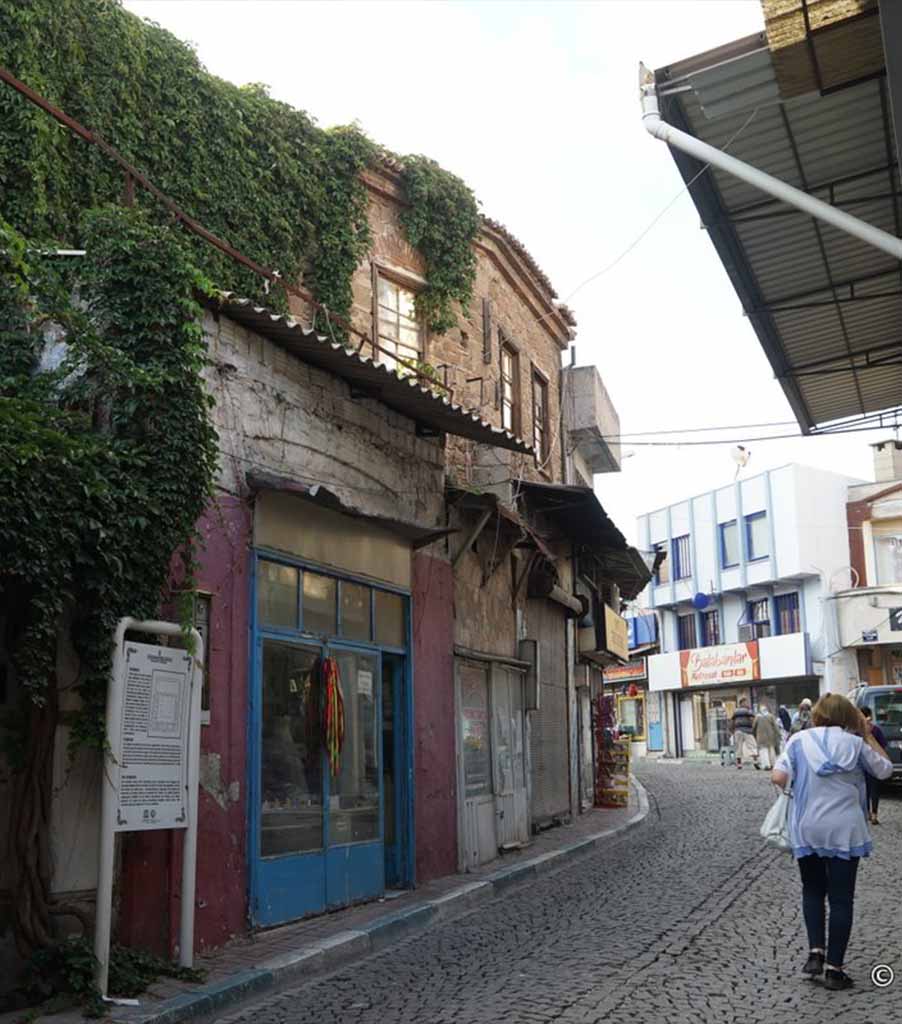
ÇUKUR HAN
Çukur Han is another part of Bergama’s historic commercial landscape. The İzmir Provincial Directorate of Culture and Tourism dates it tentatively to the 14th–15th centuries based on its construction style and notes traces of a vaulted market area.
WHY VISIT?
Understand the historic trading network of Old Bergama.
Recommended time: 10–15 minutes
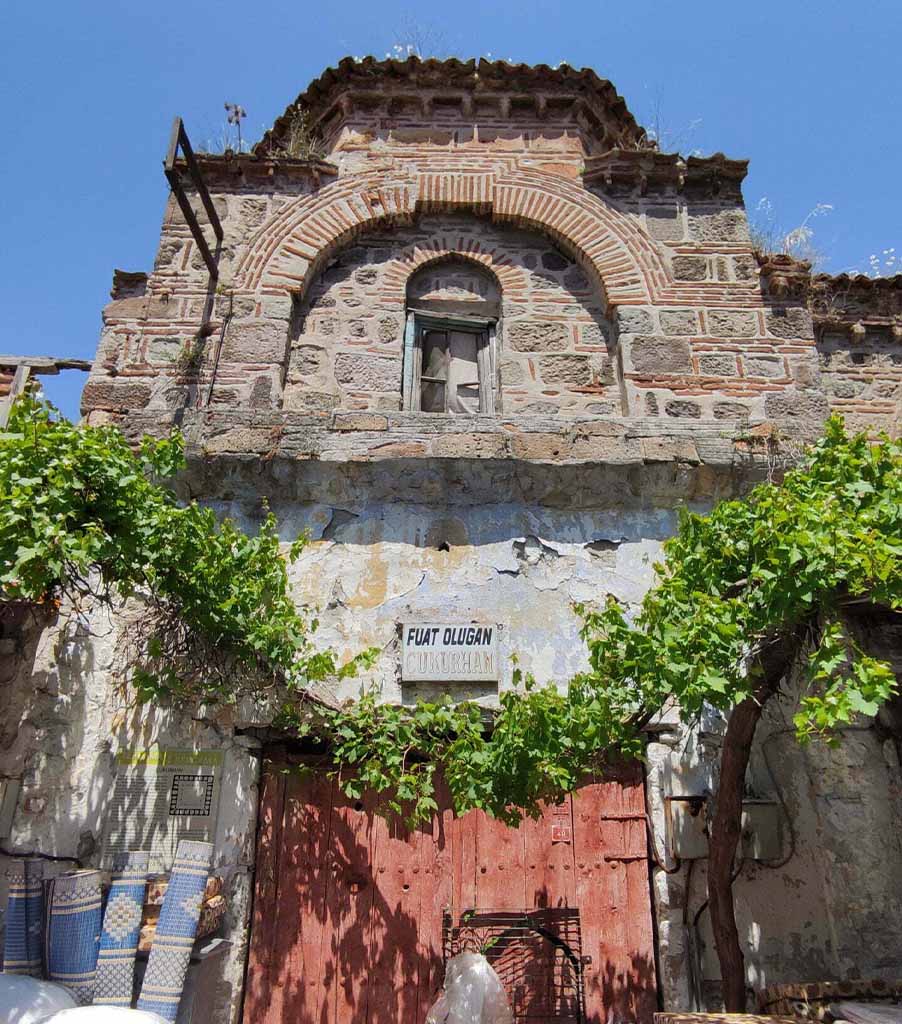
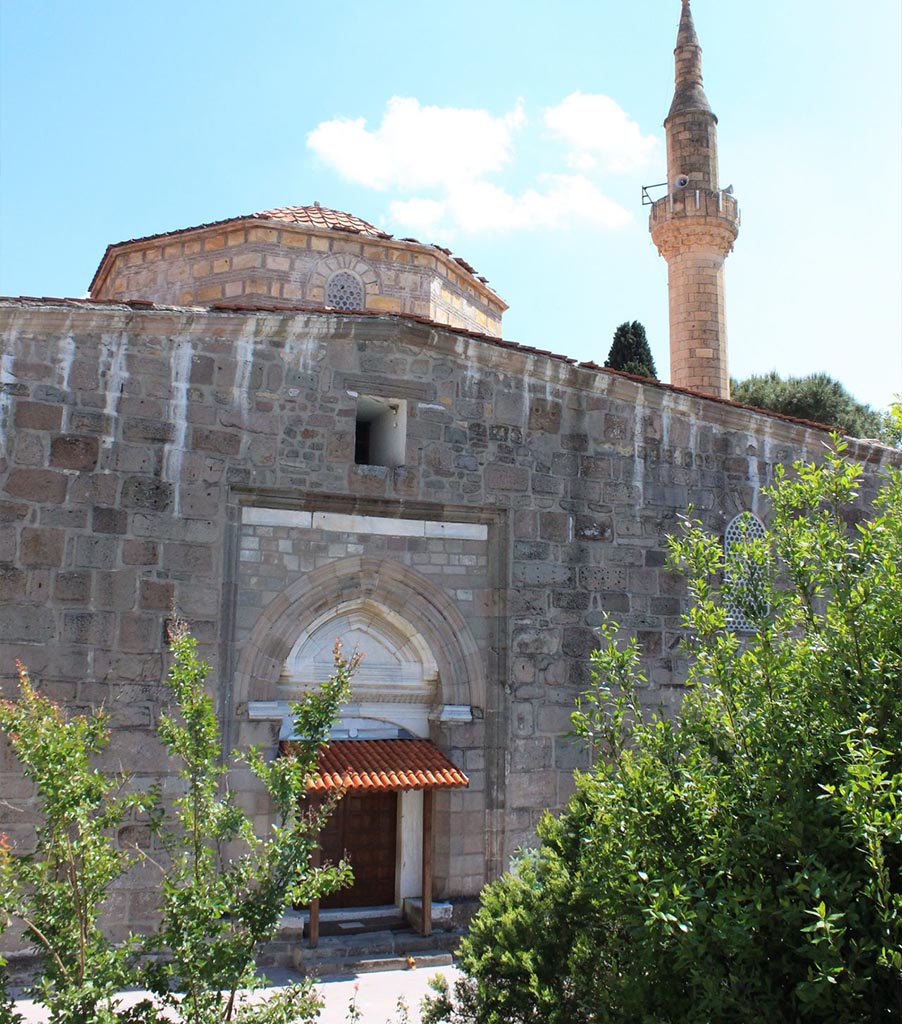
ULU MOSQUE & OTTOMAN BERGAMA
In the historic centre of Bergama, mosques, hans, baths and markets form an Ottoman town that developed over earlier Roman and Byzantine layers. UNESCO considers this superimposition of periods one of the defining qualities of Pergamon’s multi-layered cultural landscape.
WHY VISIT?
Read the city as a layered urban landscape rather than as a collection of isolated monuments.
Recommended time: 30–45 minutes
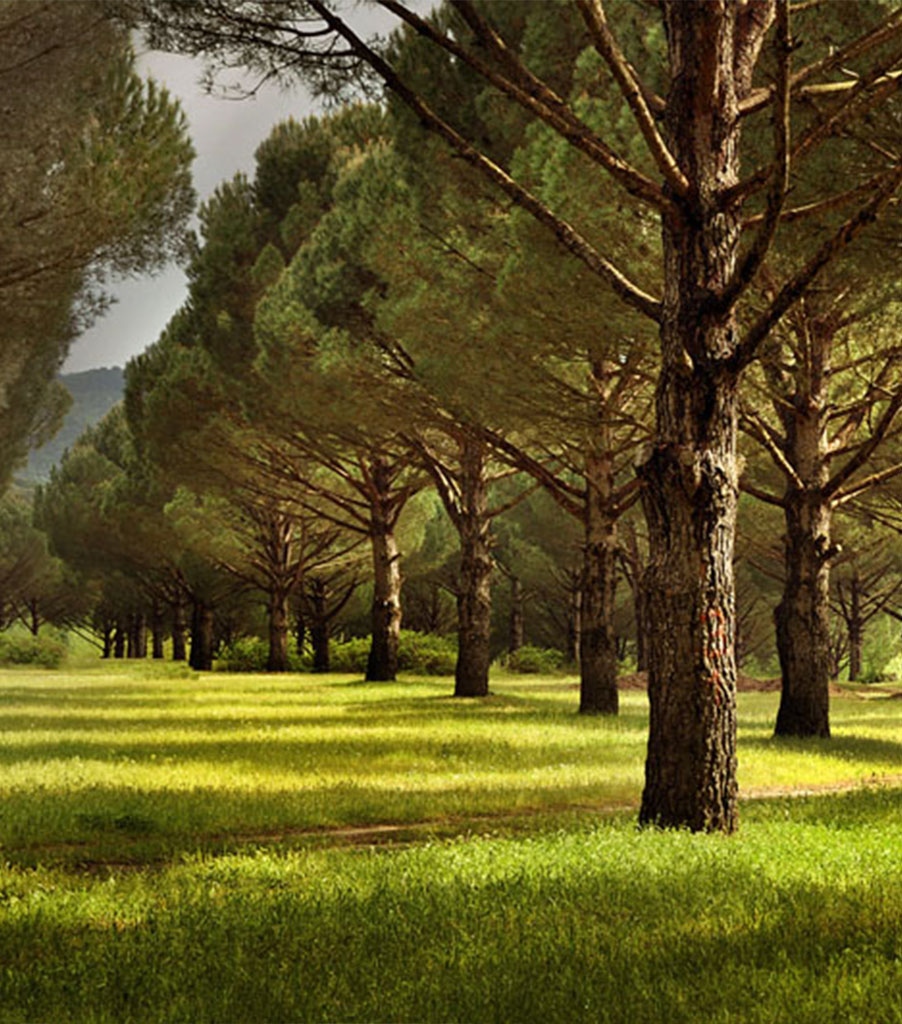
KOZAK PLATEAU
Kozak Plateau, north of Bergama, offers a natural and rural contrast to the archaeological city. Located on the road between Bergama and Ayvalık, it is known for its landscapes, walking opportunities and local production.
WHY VISIT?
Experience Bergama’s natural landscape and rural culture beyond the ancient city.
Recommended time: Half day or more
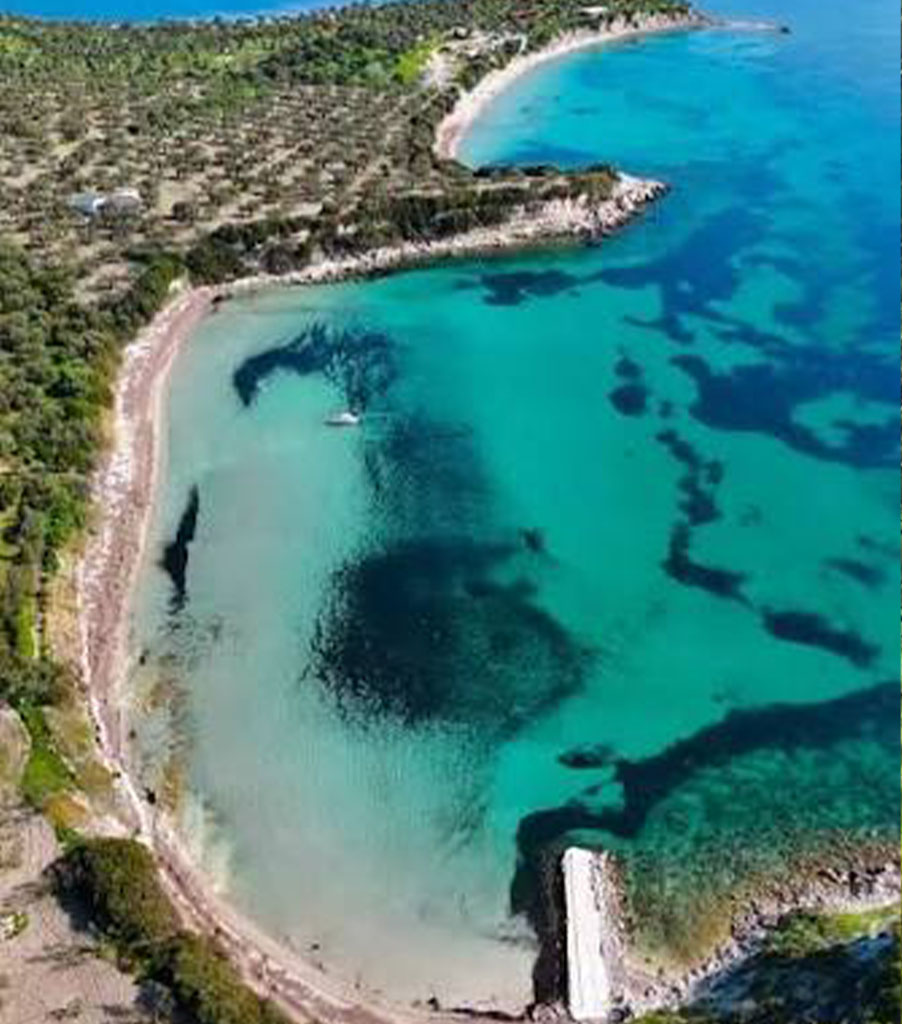
DIKILI & BADEMLI
The Aegean coast near Bergama offers an opportunity to combine archaeology with the sea. Around Dikili and Bademli, visitors can explore the coastline, coves and maritime landscape.
WHY VISIT?
Combine the ancient city with the Aegean coast.
Recommended time: Half day–1 day
KAPPIKAYA KYBELE SANCTUARY
The rock-cut Sanctuary of Kybele at Kapıkaya, northwest of Bergama, is one of the most striking examples of Pergamon’s relationship with its surrounding landscape. UNESCO identifies the sanctuary’s visual connection with the Acropolis as an important element of the cultural landscape.
WHY VISIT?
See the ancient landscape relationship between the Acropolis and a rock-cut Anatolian sanctuary.
Recommended time: 1–2 hours plus travel